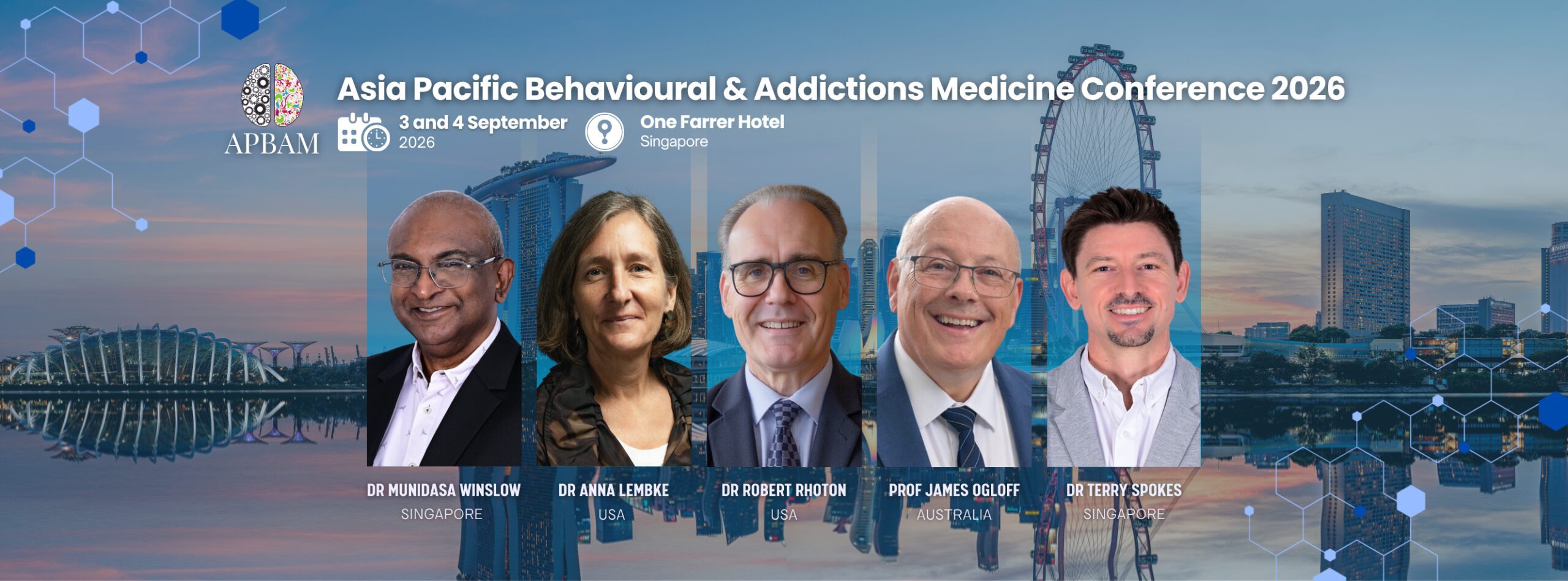
Ever evolving and needing collaboration and cooperation more than ever, the 9th Asia Pacific Behavioural & Addictions Medicine Conference (APBAM) examines how approaches in neuroscience, digital technology, trauma-informed care to recovery are reshaping addiction and mental healthcare practices across the region.
Keynote speakers including Stanford addiction psychiatrist Dr Anna Lembke, trauma specialist Dr Robert Rhoton and forensic mental health expert Distinguished Professor James Ogloff are available for media interviews before and during the conference.
SINGAPORE, 21 August 2026: What happens when access to “high-rewarding experiences” becomes almost limitless? Addiction intertwined with trauma – how can clinicians help? The age of seeking digital therapy and using AI – can recovery be possible without a human and its relationship? Will professionals looking at addiction-related offences be able to advocate differently for an equitable legal system?
These are among the questions that leading clinicians, researchers and practitioners will examine when the 9th Asia Pacific Behavioural & Addictions Medicine Conference (APBAM 2026) convenes in Singapore on 3 and 4 September 2026 at One Farrer Hotel. Organised by Promises Healthcare, APBAM 2026 will bring together professionals from healthcare, public service, social services, research and the private sector under the theme “Emerging Trends in Addictions and Mental Health”.
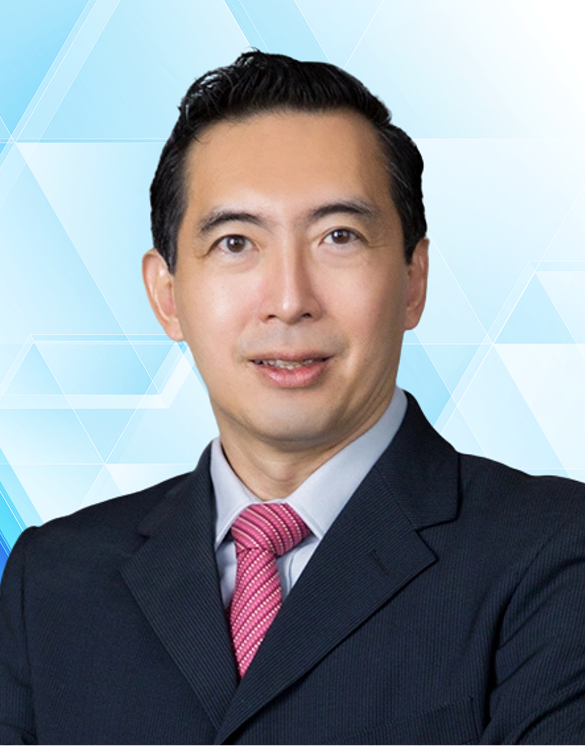
Mr Gregory Vijayendran, Chairman of the National Council of Social Service (NCSS), is the Guest-of-Honour.
APBAM 2026 KEY TRACKS
On dopamine, today’s digital therapies and its over-consumption
Dr Anna Lembke headlines the conference after her aptly befitting bestseller, “Dopamine Nation”. Dr Lembke is a prominent American psychiatrist, Professor and Medical Director of Addiction Medicine at Standford University School of Medicine. Her keynote, “Dopamine Nation: Finding Balance in the Age of Indulgence”, will examine what happens to the brain when people are repeatedly exposed to highly rewarding stimuli.
From access to drugs, gambling, food, gaming, shopping and social media habits, today, we have better access to such at the touch of our mobile devices. We are more isolated than ever, in terms of our socialising habits, as we turn to our own mobile phones to “socialise”, seek help, comfort and rewards through consumption and compulsion. Dr Lembke explains how the neuroscience of pleasure and pain, repeated exposure to high-dopamine rewards can alter the brain’s balance, and how we can regain control over such behaviour when we become more informed and intentional in our management of behaviour and emotions.
Dr Lembke will also lead a practical session examining “dopamine fasting”, self-binding strategies and approaches to moderation or abstinence. This session is a highly subscribed and popular one, with many practitioners desiring to get a hands-on sharing with the expert in the house.
Trauma and Addiction – how we can treat beyond symptoms and get results
Dr Robert Rhoton, a global pioneer in the evolution of trauma care, CEO of the Arizona Trauma Institute and President of the Trauma Institute International, will challenge conventional approaches to addiction treatment in his keynote, “Why We Need to Move Beyond the Pathology Lens in Treating Trauma and Addiction”.
His presentation will explore how stress, nervous-system dysregulation and even shame can affect engagement with treatment and contribute to relapse.
Rather than viewing substance abuse only as problematic behaviour, the session will examine how it may there is also a need to regulate any overwhelming and buried emotional experiences, and how clinicians can strengthen engagement, accountability and propose a more effective longer-term recovery.
Dr Rhoton will also conduct a workshop, “Restoring Dignity: The Foundation of TraumaInformed Care”, to guide how professionals can establish reasonable boundaries and accountability without compromising on a person’s sense of dignity.
The brain – where all addictions start and where healing begins
The neuroscience of recovery will be another focus. A track that sometimes gets displaced since most understood addictions as a behavioural issue rather than a neurological inclination as a base.
Dr Terry Spokes, Consultant Clinical Psychologist at Promises Healthcare and Clinical Director of The Winslow, will examine “How We Heal the Brain in Addiction Recovery”, and unpack how an addiction can affect attention, motivation, decision-making, impulse control and even self-regulation.
The topic will look at neuroplasticity and the brain’s capacity for optimal change during recovery, alongside emerging interventions including cognitive remediation, attention training, mindfulness-based approaches and transcranial magnetic stimulation.
This will be followed by an expert panel examining the neurocognitive impact of addiction and the growing role of neurorehabilitation in assessment, treatment and recovery.
Digital therapeutics and how AI has now entered the recovery conversation
Technology is also changing how mental healthcare can be accessed and delivered.
Adjunct Associate Professor Christopher Cheok, Assistant Chairman of Medical Board (Digital Health), Chief of the National Addictions Management Service and Senior Consultant in Forensic Psychiatry at the Institute of Mental Health, will address “Digital Therapeutics in Recovery”.
The session will examine Singapore’s developing digital mental health ecosystem, including the role of telehealth, digital monitoring, internet-delivered cognitive behavioural therapy and digital interventions in extending support beyond traditional clinical settings.
APBAM 2026 will also examine the growing presence of artificial intelligence in behavioural health, including questions around AI companionship, attachment and avoidance in recovery, and how healthcare providers can embrace technological innovation without losing therapeutic connection and human judgement.
What is community safety – how addiction and offences may need a different approach to developing a safer community
Professor James Ogloff is a distinguished Professor of Forensic Behavioural Science and Executive Dean of the School of Health Sciences at Swinburne University of Technology in Melbourne. He will highlight the areas of justice and public policy in the context of addictionrelated offences. In his keynote, “Transformative Justice and Addiction: Re-imagining Pathways to Healing and Community Safety”, Professor Ogloff will examine whether traditional punitive approaches have sufficiently addressed the underlying drivers of addiction-related offending.
Drawing on forensic psychology, addiction science and criminology, Professor Ogloff will explore the complex interaction between substance misuse, mental health vulnerabilities, trauma and offending, and examine approaches that combine treatment, accountability, rehabilitation and reintegration.
His accompanying workshop will explore the pathways linking mental disorder, substance use and offending, and why they mean for risk assessment, treatment planning and efforts to reduce reoffending.
APBAM 2026 – Where regional and multi-disciplinary mental healthcare experts convene
APBAM 2026 is designed for mental healthcare professionals working across the continuum of mental health, addiction treatment and community support, including psychiatrists, psychologists, counsellors, social workers, healthcare administrators, educators, school counsellors, policymakers, NGOs, and wellness professionals. It aims to create meaningful conversations and foster collaborative ties amongst leading and expert practitioners to deliver effective mental healthcare strategies and outcomes.
The expected delegate profile reflects the multidisciplinary and regional reach of APBAM 2026, with participants from 16 countries and regions across Asia Pacific and beyond. Approximately 45% of delegates are from the public service sector, 30% from the social services sector and 25% from the private sector, bringing together a diverse mix of professionals across healthcare, policy, social services and industry.
PROMISES HEALTHCARE
APBAM is privately owned and organised by the Promises Healthcare group. Promises Healthcare is the only private mental healthcare provider that delivers a comprehensive continuum of care through its team of psychiatrists, psychologists, therapists and coaches which centres its care philosophy on compassion, evidence-based and personalised outcomes.
Media Contact
Jonathan Ng
APBAM 2026 Media Liaison
Email: [email protected]
Mobile: +65 8613 4949
Tan Su San
APBAM 2026 Media Liaison
Email: [email protected]
Mobile: +65 9636 5026
Media interviews with keynote speakers and selected conference speakers may be arranged in advance and during APBAM 2026, subject to availability.
Please RSVP to either Jonathan or Su San to secure media access to the event.