CCTS-A Training | APBAM 2026 Pre-Conference Training
See the Person.
Not the Pathology.
- 31 August 2026 – 2 September 2026
- Dr Robert Rhoton
- One Farrer Hotel, Singapore
TRAINING FEE
CCTS-A Training Only (3 days)
$1,200
BUNDLE & SAVE
Add the APBAM 2026 Conference (3 – 4 September 2026) for just S$1,600 total!
Most treatment models ask: What is wrong with this person? The CCTS-A asks: What happened to this person - and what strengths can they recover?
This 3-day intensive equips clinicians and helpers to conceptualise addiction and traumatic stress as linked outcomes of autonomic nervous system dysregulation. You will move beyond symptom management to apply a Salutogenic, trauma-informed, harm-reduction-capable approach that builds genuine, lasting recovery.
Developed by Dr Robert Rhoton and grounded in the NeuroAffective Coherence framework, the CCTS-A integrates polyvagal science, ACE research, harm reduction, and evidence-based treatment into a single, clinically actionable structure.


Focus on wellness assets, not diagnostic deficits

Polyvagal, Window of Tolerance & threat physiology

ACE, epigenetics and the developmental pathway

Integrative, person-centred, recovery-stage sensitive

Case labs, regulation drills, paired practice and implementation planning
Salutogenic Framework
Focus on wellness assets, not diagnostic deficits
Polyvagal, Window of Tolerance & threat physiology
ACE, epigenetics and the developmental pathway
Integrative, person-centred, recovery-stage sensitive
Case labs, regulation drills, paired practice and implementation planning
By the end of 18 hours, you will leave with 12 clinically actionable competencies - immediately applicable in your practice.
1
Differentiate pathogenic versus salutogenic frameworks and explain why binary healing models increase shame and reduce client engagement.
2
Define trauma as a nervous system event – not merely an event history, and identify PTSD criteria, complex trauma patterns, and core trauma principles.
3
Explain threat physiology including Window of Tolerance, ACC, salience distortion, and “hot vs cool” system dynamics across emotion, cognition, and behaviour.
4
Apply Polyvagal concepts – neuroception, ventral vagal engagement, sympathetic mobilisation, dorsal shutdown, to case conceptualisation and real-time clinical decisions.
5
Describe the role of dopamine and reward learning in addition and explain addiction as both dissociation and an adaptive mitigation strategy.
6
Use ACE and expanded ACE frameworks to connect adversity, neurodevelopment, health outcomes, and addiction vulnerability.
7
Select and ethically use SUD and trauma screening tools within scope, with trauma-informed, dynamic informed consent practices.
8
Implement harm reduction principles and person-centred language, including practical safety conversations with clients about substances.
9
Operationalise the Active Ingredients Approach and the four-stage salutogenic treatment structure: Preparation, Regulation / Skills, Integration, Post-traumatic Growth.
10
Integrate recovery supports – peer support, 12-step facilitation, MAT / MOUD, and develop a coherent plan across levels of care.
11
Address historical trauma, the War on Drugs legacy, and cultural humility as clinical and ethical essentials in addiction treatment.
12
Prevent compassion fatigue and secondary traumatic stress using nervous-system regulation, professional boundaries, and resilience routines.
Six instructional hours per day, combining didactic teaching, experiential regulation practices, case formulation labs, and implementation planning.
The salutogenic lens, trauma neuroscience & polyvagal basics

Psychologists and Counsellors







Programme Details
YOU WILL GAIN
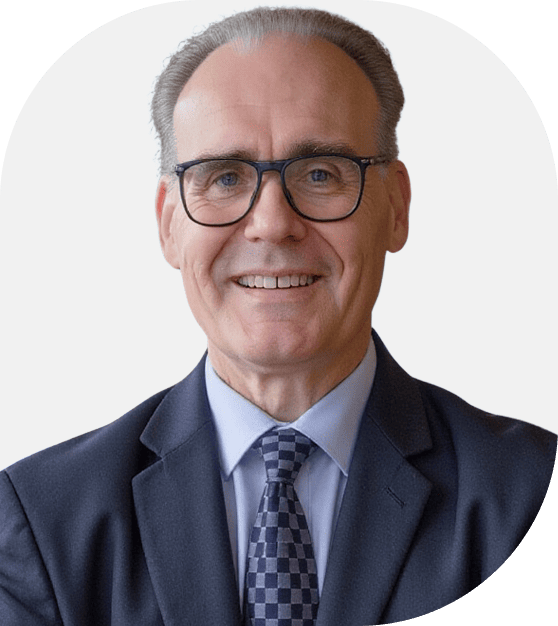
Dr Robert Rhoton is the founder of the Arizona Trauma Institute and the architect of the NeuroAffective Coherence treatment structure - a universal guide to enhancing the efficacy of any mental health modality.
A Fellow of the American Academy of Experts in Traumatic Stress (FAAETS), Dr. Rhoton has dedicated his career to shifting the mental health paradigm from managing symptoms to fostering true, sustainable wellness. His decades of clinical experience span juvenile justice, substance abuse programmes, clinical supervision, and academic teaching as a former Professor at Ottawa University.
Dr. Rhoton consults with agencies worldwide and is a world-renowned expert in Salutogenic (wellness-focused) care. At APBAM 2026, he will deliver both the CCTS-A pre-conference training and the conference keynote: Why We Need to Move Beyond Pathology to Heal Trauma.

Developer of the NeuroAffective Coherence structure adopted by clinicians globally

Advises international agencies on optimising trauma-informed service delivery

Former Professor at Ottawa University, specialising in traumagenic dynamics

Also presenting the conference keynote on 3 - 4 September 2026
Developer of the NeuroAffective Coherence structure adopted by clinicians globally
Advises international agencies on optimising trauma-informed service delivery
Former Professor at Ottawa University, specialising in traumagenic dynamics
Also presenting the conference keynote on 3 - 4 September 2026
All prices are subject to prevailing government taxes. Secure your place early - seats are limited.
CCTS-A Training Only
$1,200
31 August – 2 September 2026 | 3 days
CCTS-A + APBAM Conference 2026
$1,600
31 August – 4 September 2026 | 5 days total
Can't find your answer below? Contact the APBAM Conference Secretariat or email to [email protected] or call +65 6397 6994.
The CCTS-A is a professional certification for clinicians trained to understand and treat addiction and traumatic stress as linked outcomes of nervous system dysregulation. Developed by Dr Robert Rhoton of the Arizona Trauma Institute, it applies a Salutogenic (wellness focused), nervous-system informed lens to case conceptualisation and trauma-addiction treatment planning. It is a specialised companion to the broader CCTS-I (individual trauma) certification.
Salutogenesis is a health framework developed by sociologist Aaron Antonovsky that focuses on factors which support human health and wellbeing, rather than on factors that cause disease. In the context of addiction treatment, a Salutogenic approach asks “What supports this person’s recovery?” rather than “What is wrong with them?” The training teaches clinicians to identify Generalised Resistance Resources (GRRs) and build a client’s sense of coherence -comprehensibility, manageability, and meaningfulness – as the foundation for lasting recovery.
The CCTS-A is open to qualified clinicians and mental health helpers working with individuals affected by addiction and/or trauma. This includes psychologists, counsellors, psychiatrists, physicians, social workers, addiction specialists, case managers, community health workers, peer support workers, and programme leaders. No prior trauma training certification is required, though a background in a helping profession is expected.
The CCTS-A training takes place over three full days from 31 August to 2 September 2026 at One Farrer Hotel, Singapore. It is the official pre-conference training for the Asia Pacific Behavioural & Addictions Medicine Conference (APBAM) 2026, which follows on 3–4 September 2026 at the same venue.
The CCTS-A training delivers 18 instructional hours across three days (6 hours per day). These hours qualify for Continuing Professional Development (CPD) credit. The APBAM 2026 Conference (3–4 September 2026) additionally qualifies for 2 days of Continuing Medical Education (CME). Delegates attending both the training and the conference bundle can accumulate the full credit.
The NeuroAffective Coherence (NAC) structure is a proprietary clinical framework developed by Dr. Robert Rhoton. It serves as a universal guide to enhancing the efficacy of any mental health modality by integrating nervous-system science, polyvagal theory, and salutogenic principles. The NAC does not replace existing therapeutic approaches; instead, it provides a coherent treatment architecture – across Preparation, Regulation, Integration, and Post-traumatic Growth stages – within which EMDR, CPT, SE, EFT, and other evidence-based treatments can be matched to client readiness and nervous-system state.
The CCTS-A training fee is SGD 1,200 (subject to prevailing government taxes). This includes all 18 hours of instruction, course materials, and the CCTS-A certification upon successful completion. A bundle option combining the CCTS-A training with full APBAM 2026 conference access is available for SGD 1,600 – a saving compared to purchasing both separately.
The CCTS-I (Certified Clinical Trauma Specialist – Individual) focuses on trauma treatment with individual clients using the NeuroAffective Coherence structure, without a specific addiction focus. The CCTS-A applies the same nervous-system and salutogenic principles with a dedicated specialisation in addiction — covering ACEs, dopamine and reward learning, harm reduction, motivational approaches for early recovery clients, and integration with MAT/MOUD and peer support systems. EMCC Singapore has previously offered the CCTS-I training; the APBAM 2026 CCTS-A is a new specialisation.
Yes. Day 2 of the training is substantially dedicated to harm reduction foundations and Integrative Harm Reduction Psychotherapy principles. Participants will learn to position harm reduction as a spectrum – from safer use through managed use to abstinence – and practice person-centred, polyvagal-informed language. The training addresses abstinence-only versus harm reduction debates by teaching a clinically integrative stance that preserves client safety, dignity, and individualised goals while maintaining clear ethical standards.
The CCTS-A certification is issued by the Arizona Trauma Institute, a globally recognised institution in trauma-informed care. The training is presented under the APBAM 2026 framework and is eligible for CPD credit. Clinicians are encouraged to verify specific recognition requirements with their professional licensing bodies in their jurisdiction, as recognition criteria differ across associations and countries in the Asia Pacific region.
Yes. The CCTS-A training is available as a standalone registration at SGD 1,200. Alternatively, you may register for the APBAM conference only (SGD 900) or take advantage of the bundle rate (CCTS-A + APBAM for SGD 1,600). If you are already committed to attending APBAM, the bundle offers significant added value for a minimal additional investment.